 020 640 52 52
 020 640 52 52


 Offer
Offer
 Advice on renting


 Back to news overview
Highlights of DRS
Latest news
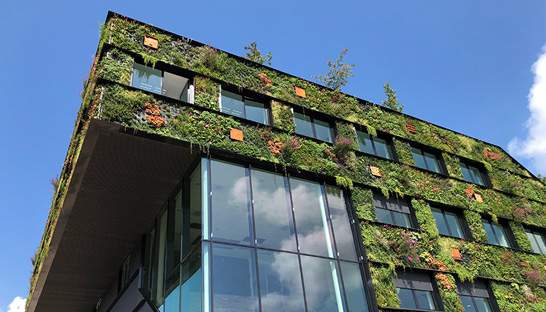
Amsterdam offices: from open-plan to bespoke
The Amsterdam office market is shifting away from traditional open-plan offices towards flexible, bespoke working environments that prioritise well-being, productivity and sustainability. Research shows that open-plan offices often lead to more distractions, stress and reduced concentration, whereas hybrid working requires a variety of spaces for focus, collaboration and socialising. Modern office concepts such as activity-based working combine quiet workspaces, social zones and natural elements to improve employee performance and satisfaction. At the same time, ESG requirements, rising vacancy rates in outdated offices and competition for talent mean that future-proof, healthy and flexible workplaces are becoming increasingly important in Amsterdam.
verder lezen

ESG certification is driving up office rents in Amsterdam
The Amsterdam office market is changing rapidly due to stricter sustainability requirements. ESG certifications such as BREEAM and LEED are driving higher rental prices, better financing opportunities and increased demand for energy-efficient office spaces. At the same time, outdated buildings are losing ground. For tenants, investors and property owners, sustainability is becoming increasingly important when making strategic decisions.
verder lezen